

So, you’ve probably heard whispers about some new lending rules dropping in 2026. Maybe you saw a headline, maybe your mate mentioned it at a barbecue, or maybe you’re just here because “new rules” and “borrowing” in the same sentence made your stomach do a little flip.
Totally fair.
Here’s the thing, there are changes coming, and yes, they could affect how much you can borrow. But before you spiral into worst-case-scenario mode, let’s break it all down in plain English. No finance jargon overload, promise.
What’s Actually Changing?
From 1 February 2026, there’s a new rule in town targeting something called the debt-to-income (DTI) ratio.
In simple terms? It’s about how big your loan is compared to how much you earn.
Here’s the deal: Authorised deposit-taking institutions (we’ll get to what that means in a sec) will need to make sure that no more than 20% of their new home loans go to borrowers whose loan size is six times their (household) income or more.
Let’s put some numbers on that.
If your household earns $100,000 a year, the threshold kicks in at a loan of $600,000 or more. Earning $150,000? That’s $900,000. You get the idea.
Keep in mind, any debt you may already have will be deducted from what the bank will loan you. E.g. If your household income is $100,000 and you have a $50,000 car loan, a $20,000 Student Loan and total credit card limits of $15,000, the max loan at 6 x DTI is $515,000.
This doesn’t mean you can’t borrow above that amount, it just means lenders have a cap on how many of those bigger loans they can hand out. So competition for those spots might get tighter.
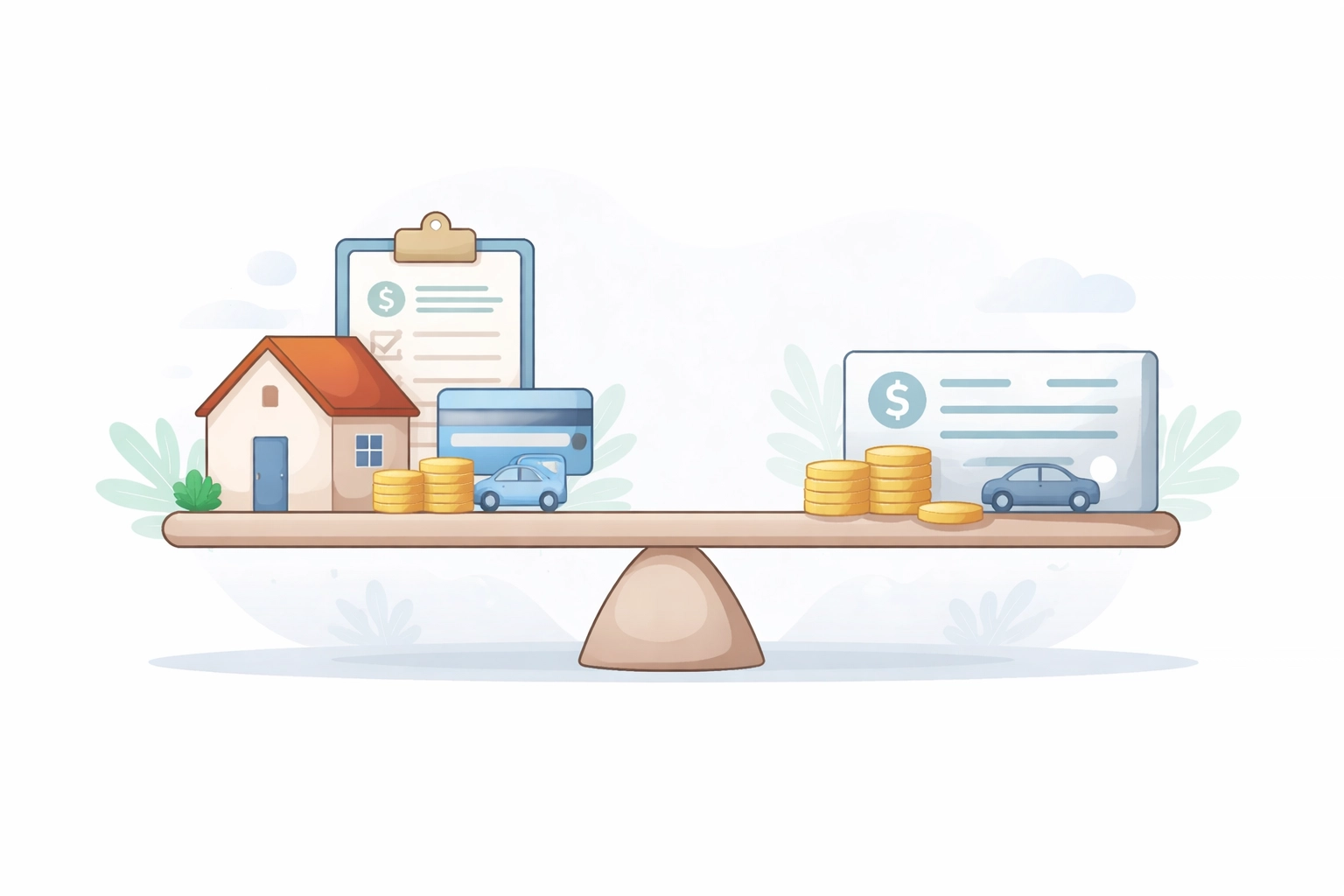
Why Is This Happening?
Good question! (We like you already.)
The new rule is all about keeping the financial system stable. Basically, regulators want to cool down higher-risk lending. When people borrow a lot relative to what they earn, it can get a bit wobbly if things go sideways, job loss, rate rises, unexpected expenses. You know, life stuff.
So this is the government’s way of saying, “Hey, let’s keep things sensible out there.”
It’s not about punishing borrowers. It’s more like a safety net for the whole system. Think of it as putting guardrails on a winding road. You can still drive, just with a bit more protection.
Wait, What’s an ADI?
Okay, this is where it gets a tiny bit technical, but stick with us, it’s quick.
ADI stands for Authorised Deposit-Taking Institution.
These are financial institutions that the government has licensed to hold your money. We’re talking:
- The big four banks – CBA, Westpac, NAB, ANZ
- Smaller banks
- Credit unions
- Building societies
Basically, if you’ve got a savings account or term deposit somewhere, chances are it’s an ADI.
Now here’s the twist: non-bank lenders aren’t ADIs. They don’t take deposits, they only offer loans. So technically, this new rule doesn’t apply to them in the same way.
What does that mean for you? It means your options might look a bit different depending on which lender you go with. And that’s where having a broker in your corner really starts to matter. (But more on that later.)

How Might This Affect Your Borrowing Power?
Alright, let’s get to the part you actually care about: what does this mean for ME?
Here’s the honest answer: it depends.
If your household income and loan size sit comfortably below that 6x threshold, you probably won’t notice much change at all. Business as usual.
But if you’re hovering around that mark, say, you’re looking at a $650,000 loan on a $100,000 household income, things might get a bit more interesting. Some lenders may tighten up, others might still have room in their 20% allowance.
And here’s the kicker: different lenders will interpret and apply these rules differently. One bank might say “no worries, we’ll give you that loan” while another says “sorry, we’re at capacity for higher DTI loans this month, go elsewhere”
It’s like trying to get a table at a popular restaurant. Some nights there’s space, some nights there’s a waitlist. Timing and flexibility matter.
Five Things You Should Know
Let’s distil this down into the key takeaways, because who doesn’t love a good list?
1. Some Borrowing Limits May Tighten
If your debt-to-income ratio is near that 6x mark, you might find certain lenders less willing to stretch. It doesn’t mean you’re out of options, it just means you might need to look a little wider.
2. Different ADIs, Different Results
This is a biggie. Lenders don’t all think the same way. Their internal policies, risk appetites, and how much of their 20% quota they’ve already used will all play a role. Your borrowing capacity could vary significantly from one lender to the next.
3. A Bigger Deposit Helps
Here’s some good news: if you can save a bit more before you buy, it lowers your debt-to-income ratio. That means you’re less likely to bump up against the threshold, and you’ll have more lender options on the table.
Every extra dollar in your deposit is working hard for you.
4. Income Matters (Even Small Bumps)
Got a pay rise coming? Dividends? Superannuation income? Government income? Side hustle income? (we wont judge if it’s Only Fans, promise.) Even a small increase in your assessable income can shift your position. It’s worth having a proper look at what counts towards your income before you apply.
5. Broker Guidance Is Crucial
We’re not just saying this because, well, we’re brokers. (Okay, maybe a little.)
But seriously, when lenders start layering their own internal policies on top of new regulations, it gets complicated fast. A good broker can compare lenders, spot opportunities, and help you find a loan structure that actually fits your plans.
Going it alone? You might accidentally knock on the one door that’s already closed.
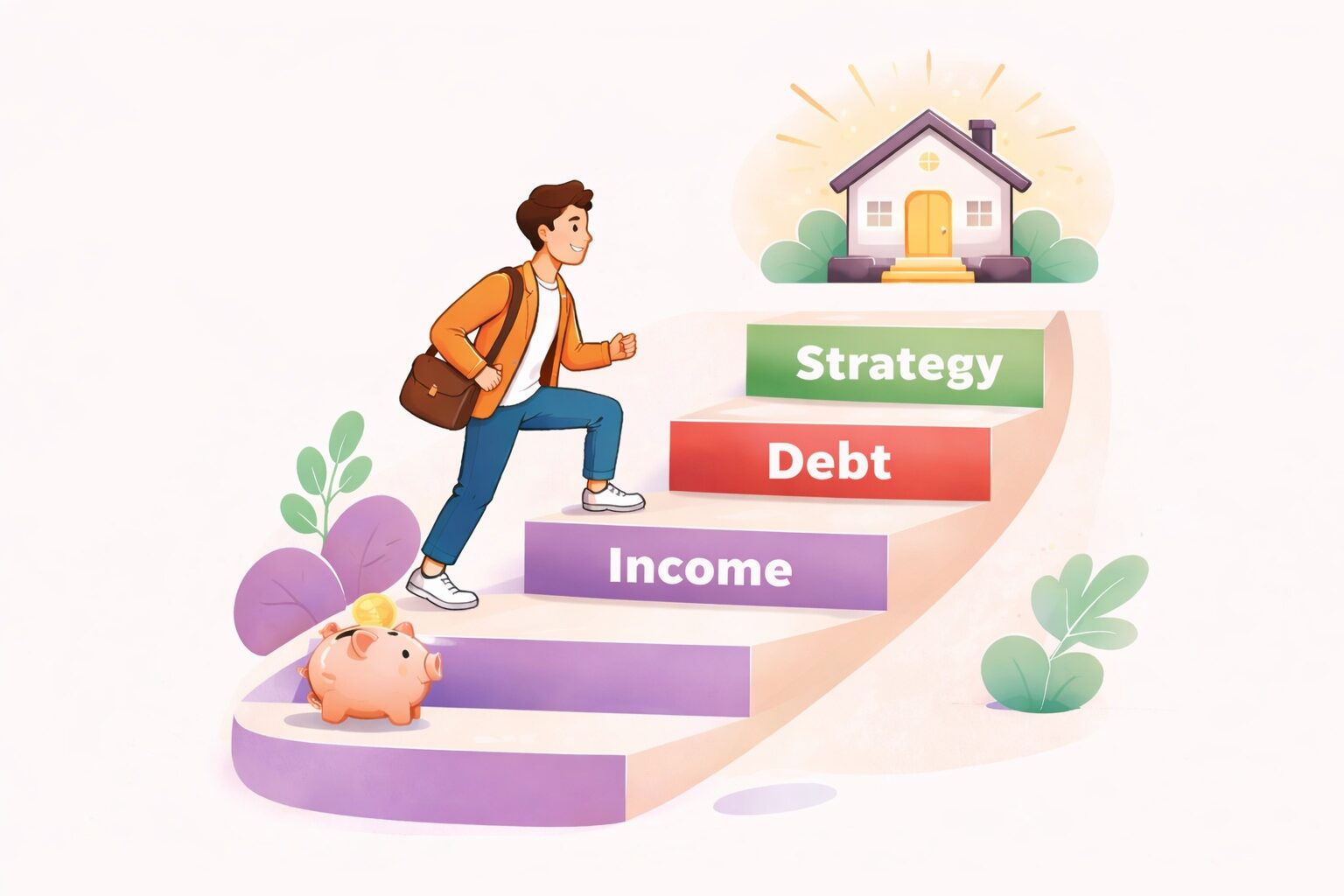
What Can You Do Right Now?
If you’re planning to buy in 2026 (or refinance, or invest), here are a few moves worth considering:
- Check your numbers. What’s your income? What loan amount are you looking at? Does it sit above or below that 6x threshold?
- Boost your deposit if you can. Even a few extra months of saving could make a difference.
- Look at your current debt. Consider paying off personal debt, reducing or closing credit cards.
- Talk to a broker. (Hiiii, that’s us! 👋) We can run the numbers across multiple lenders and find the best fit for your situation.
The Bottom Line
Change can feel a bit unsettling: especially when it involves something as big as buying a home. But here’s the thing: these new DTI rules aren’t the end of the world. They’re just a shift in the landscape.
Some borrowers won’t notice a thing. Others might need to tweak their strategy a bit. And for a few, it’ll mean exploring lenders they hadn’t considered before.
The key is knowing where you stand and having the right people in your corner.
That’s where we come in.
At More Than Mortgages, we’re all about helping you navigate the stuff that feels overwhelming. Whether you’re a first-home buyer trying to figure out your borrowing power, or a seasoned investor wondering how these changes affect your next purchase: we’ve got you.
Wondering how the new rules affect your borrowing power? You can give this Borrowing Power Calculator a crack, or if that’s too confusing – let’s chat. We’ll compare lenders, crunch the numbers, and help you find a structure that works for your plans.
No jargon. No pressure. Just real talk and real solutions.
You’ve got this; and we’ve got your back. 💪